Three Bruin Generations Celebrate the Family's First Doctor
3 Generations of Bruins—One White Coat Ceremony
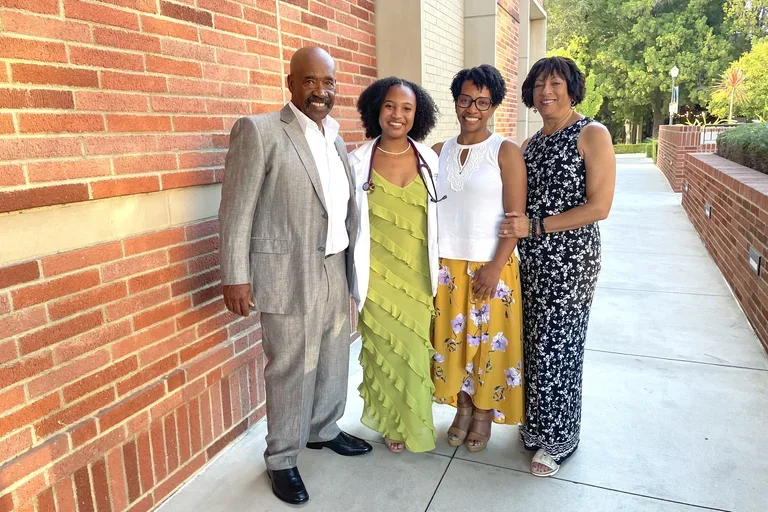
Each year during the David Geffen School of Medicine at UCLA (DGSOM) White Coat Ceremony, incoming students put on their physicians' coats for the first time.
Wearing their white coats, which symbolize the power and privilege to heal, they recite the oath spoken by incoming DGSOM students since 1995.
“Today I begin my training to become a physician; a noble profession dedicated to the preservation of life and prevention of human suffering. From this day forward I will be different, recognized as a healer. I pledge myself to the value of human life.”
The ceremony carries deep meaning for students and their loved ones. It celebrates the achievements that led students to medical school as well as the journey they're each beginning—the journey to becoming doctors.
"I've wanted to be a doctor my whole life," Saida Wiltz said during her 2025 White Coat Ceremony.
"And I'm the first in our family to attend medical school, so it's just really exciting."
Meet Saida Wiltz
Incoming student Saida Wiltz attended her White Coat Ceremony along with two generations of UCLA alumni.
"I appreciate my family for all the support, encouragement, and love they've given me," Saida says. "I don't think I would be in this position were it not for these people here."
Saida's mother graduated in 2001 and her grandparents in the 1970s. (The couple met in a UCLA dorm during their first year.) All three guests felt unspeakably proud watching Saida put on her white coat.
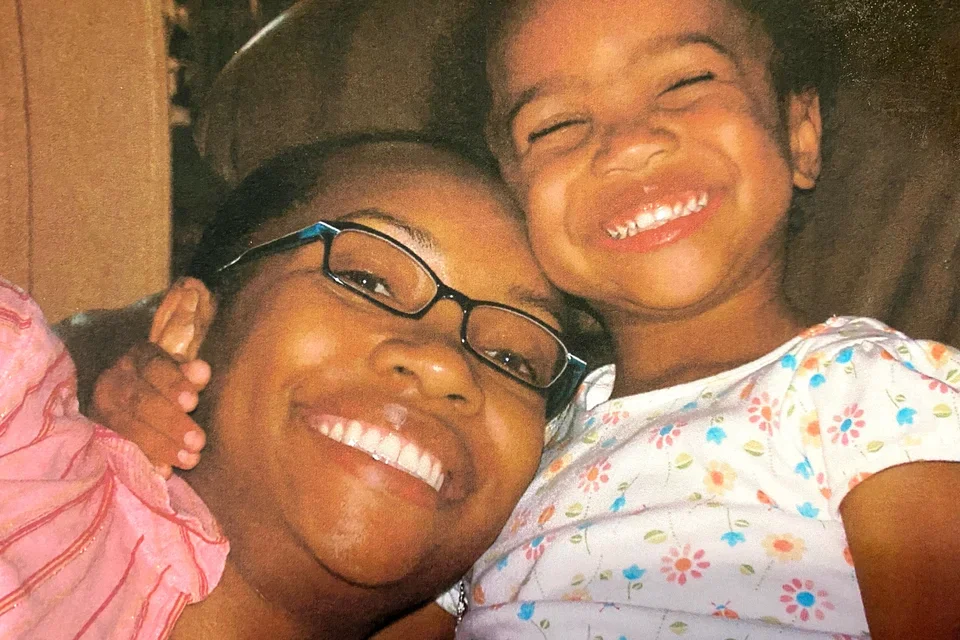
"She's always been amazing," her grandfather says. "She's always excelled at what she does. For a grandfather, seeing her do this—what more could you possibly ask for?"
The entire family beamed with pride for all Saida has already accomplished and everything they know she'll accomplish in the future.
Research at the intersection of oncology and immunotherapy
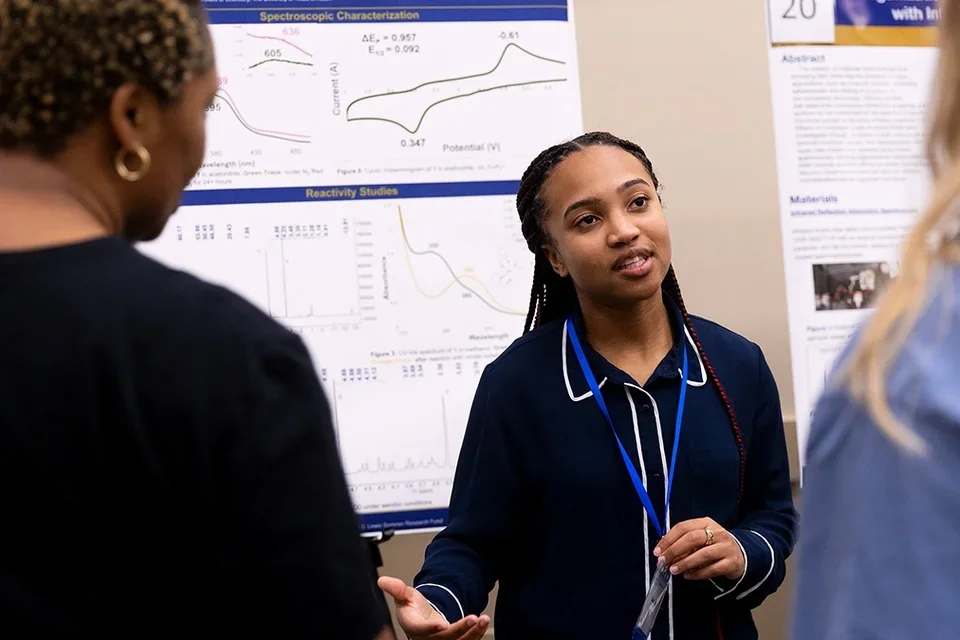
Saida's part of the UCLA-Caltech Medical Scientist Training Program (MSTP), a rigorous combined MD-PhD course designed for exceptional future physician-scientists.
Her grandmother remembers a time before Saida's career goals became so specific—when a young Saida simply knew she wanted to be a doctor.
"She told me when she was four that she wanted to be my doctor one day," says Saida's grandmother. "And she was serious about that. She always knew what she wanted to do."
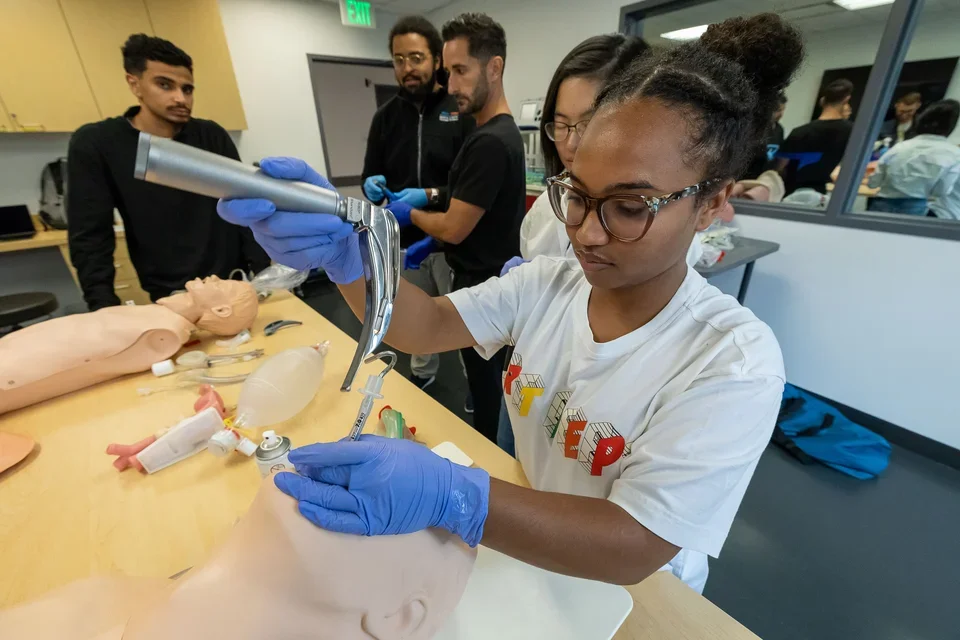
Saida plans to become an oncologist and develop novel immunotherapies for solid tumor malignancies. The research being done at UCLA at the intersection of oncology and immunotherapy is one key reason Saida chose to attend DGSOM for medical school.
She knew DGSOM would help her become the multi-faceted physician and healer she envisioned. Furthermore, attending the school meant honoring her family's legacy.
"I decided to come to UCLA med school because of my family and the legacy they left here. I wanted to honor that legacy and experience the school, too."
Doing her best by others
Family legacy drew Saida to UCLA, but it was an influential mentor—a fellow Black student named Dr. Quenton Bubb, who is a Stanford MSTP student —who introduced her to the possibilities of MD-PhD research.
Having the guidance and support of a mentor she trusted and who also looked like her made all the difference to Saida. She feels proud to become the first physician in her family especially because of the history and continued discrimination in health care against Black patients, including family members who were denied care due to the color of their skin.
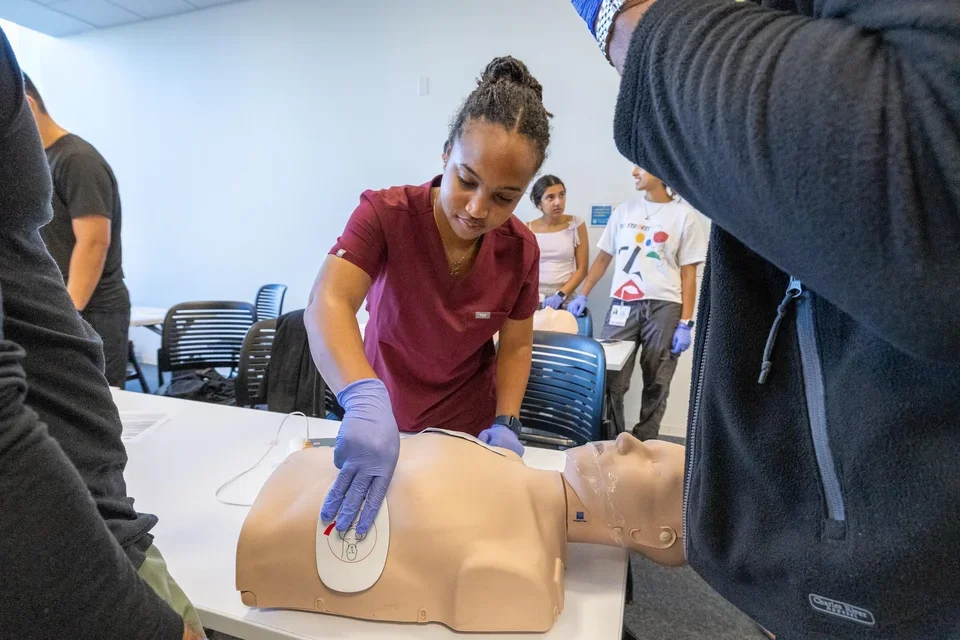
For Saida, that still-relevant family history brings additional significance to her being where she is and doing what she's doing today.
"The people and places where I come from are an important part of my identity."
Uplifting people who share similar stories through mentorship and advocacy is an important part of Saida's long-term career goals. She's always had a natural drive to help people.
"I believe you should always do your best and do your best by others," Saida says. "I want to help people, especially other young Black girls. It's important to me to always make time and space for that."
Related Articles