What Is an Otolaryngologist?
Faculty Spotlight

Key Takeaways
- Otolaryngologists, also called ENT physicians, are specialists who treat conditions of the ears, nose and throat.
- Otolaryngology provides opportunities to practice as a general ENT and treat a broad range of conditions or to subspecialize and focus on a particular area.
- Becoming an otolaryngologist requires completing medical school and residency plus a fellowship if you want to subspecialize.
- Characteristics that make a good otolaryngologist include strong communication skills, ability to solve problems and technical precision.
A Day in the Life of Dr. Dinesh Chhetri, Otolaryngologist at UCLA Health
Otolaryngologists treat conditions that affect the ears, nose and throat. They’re also known as ENT physicians, or ENTs for short. The official name of the specialty is otolaryngology-head and neck surgery, which reflects how central surgery is to ENT care.
Many otolaryngologists are generalists who care for people with a wide variety of ENT conditions. They evaluate patients, provide treatment and, when needed, refer them to subspecialists.
Otolaryngology subspecialties vary widely. Some focus on specific areas, such as the nose and sinuses (rhinology). Others specialize in certain types of procedures, such as sleep surgery.
Meet Dr. Chhetri
Dinesh K. Chhetri, MD, is interim chair of the UCLA Department of Head and Neck Surgery and a professor at the David Geffen School of Medicine at UCLA. What drew Dr. Chhetri to otolaryngology was the opportunity to improve people’s lives.
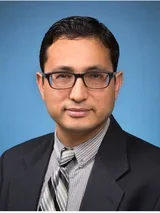
“The structures in the head and neck control essential functions, such as voice, smell and hearing,” he explains. “When a patient has a problem that affects these abilities, we help fix the problem and restore their quality of life.”
Dr. Chhetri’s area of specialty is voice, swallowing and airway disorders (laryngology). That interest began in medical school and continues today.
What does an otolaryngologist do?
Otolaryngologists typically split their time between the clinic and the operating room. In the clinic, they perform detailed exams using lighted scopes to look inside the ears, nose and throat. They also offer in-office procedures, such as:
- Ear tube placement to relieve pressure and fluid buildup
- Cauterization of blood vessels to stop recurring nosebleeds
- Balloon sinus dilation to open blocked sinus passages
- Biopsy of nasal, sinus and throat tissue to evaluate suspicious growths
- Vocal fold injections to improve voice quality or swallowing
In the operating room, otolaryngologists perform more complex procedures, including cochlear implant surgery, thyroid surgery and removal of cancerous and noncancerous tumors. They use high-tech endoscopes and robotic systems to access small spaces and perform detailed operations.
For Dr. Chhetri, the split between the clinic and operating room is about 50/50. His schedule is structured with dedicated blocks of time for clinic visits, in-office procedures and surgery. One day per week, he sees teachers, singers, actors and other professionals who rely on their voices through the UCLA Voice Center for Medicine and the Arts.
“I like interacting with patients, talking with them about their symptoms and figuring out how I can help them,” Dr. Chhetri says. “I also enjoy the diagnostic process. At this point in my career, I can detect the smallest problems in the voice box.”
What’s most challenging is treating patients who have conditions that are not well understood. One example is voice changes that occur in older adults. Why a person’s voice gets weaker and thinner with age is not clear and can be difficult to treat.
In addition to patient care, Dr. Chhetri advances the field of laryngology through research. He has led many research projects over the years. Much of this work has focused on laryngeal innervation, an innovative approach to treating vocal fold paralysis.
“There are still many unanswered questions in otolaryngology,” he says. “Conditions I see in the clinic often provide the impetus for research. It’s important for future generations of otolaryngologists to continue this work.”
What conditions do otolaryngologists treat?

Ear conditions
- Dizziness and balance problems
- Chronic ear infections
- Ear trauma
- Hearing loss
- Ringing in the ears (tinnitus)
Nose conditions
- Allergies that don’t respond to medication
- Chronic sinus infections
- Deviated septum
- Frequent nosebleeds
- Nasal polyps
Throat conditions
- Difficulty swallowing
- Laryngitis
- Tonsillitis
- Vocal cord conditions
Depending on their area of specialty, some otolaryngologists also treat conditions such as:
- Cleft lip and cleft palate
- Facial nerve paralysis
- Facial skin cancer
- Masses in the head and neck
- Sleep apnea
How to become an otolaryngologist
Becoming an otolaryngologist requires completing medical school and a five-year residency. Physicians who want to subspecialize complete additional fellowship training.
UCLA offers fellowships in the following otolaryngology subspecialties:
- Advanced head and neck surgery, including surgical oncology and microvascular reconstruction
- Facial plastic and reconstructive surgery
- Laryngology
- Neurotology
- Rhinology and skull base surgery
- Sleep surgery
The American Board of Medical Specialties also recognizes complex pediatric otolaryngology as a subspecialty.
Dr. Chhetri’s path to otolaryngology started in high school, back in the days when colleges sent paper applications by mail. He picked up an application for Brown University discarded by a friend. The application listed an option to enroll in an eight-year program called liberal medical education that included a bachelor’s degree and medical degree. Intrigued, he applied and was accepted.
After completing his undergraduate studies, he planned to continue at Brown for medical school, but the cost was prohibitive. As a California resident, UCLA was a more economical choice, so he transferred.
While many medical students find their area of specialty through trial and error, Dr. Chhetri’s trajectory was quite linear.
“I completed all my medical training at UCLA. I also discovered laryngology early on as the focus of my medical school thesis and continued with it,” he says.
What characteristics make someone a good otolaryngologist?
Communication skills. It's important to listen carefully to understand the emotional and quality-of-life impacts ENT conditions have on patients.
Problem-solving ability. Otolaryngologists frequently encounter challenges in diagnosing and treating ENT disorders and must adapt to meet each patient’s needs.
Technical precision. ENT physicians perform many tests and procedures that require excellent hand-eye coordination and comfort with technology.
What misconceptions do people have about otolaryngologists?
“A common misconception is that otolaryngologists only treat tonsil and ear infections,” Dr. Chhetri explains. “In reality, the scope of care for both general otolaryngologists and ENT specialists extends far beyond these common conditions.”
Should you choose otolaryngology as your specialty?
Otolaryngology is a diverse field with many career paths. Whether you enjoy working with children, treating patients with cancer or performing plastic surgery, there are a myriad of opportunities within the specialty.
Otolaryngologists can also practice in a variety of settings, including solo practices, multidisciplinary groups or academic medical centers. “One of the beautiful things about being in an academic institution like UCLA is the ability to take things from the clinic to the lab and back again,” Dr. Chhetri says. “I find that very rewarding.”
Choosing a medical specialty can be stressful. Dr. Chhetri advises medical students to focus on what genuinely excites them.
“Shadow physicians and talk to them about their lifestyle and how they interact with colleagues,” he says. “Get a sense of the diseases, the patients and the research. If everything fits and you can see yourself in this world, that's the field for you.”
Once you find your specialty, Dr. Chhetri adds, be prepared to learn and grow. Like other medical specialties, otolaryngology is continually changing. Keeping an open mind to new discoveries improves care and patient outcomes.
How much do otolaryngologists make?
According to the 2025 Medscape Physician Compensation Report, the average annual salary for otolaryngologists in the U.S. is $484,000.
Related Articles