A Future Physician Inspired by Family Values
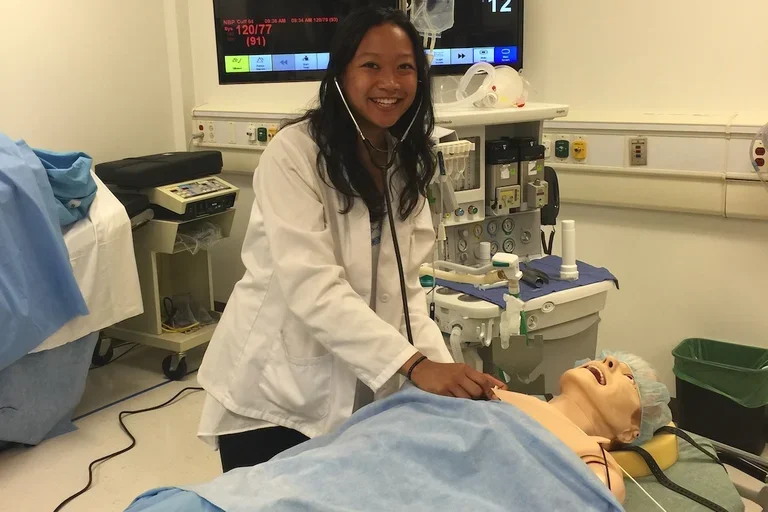
Meet Melanie Ramirez
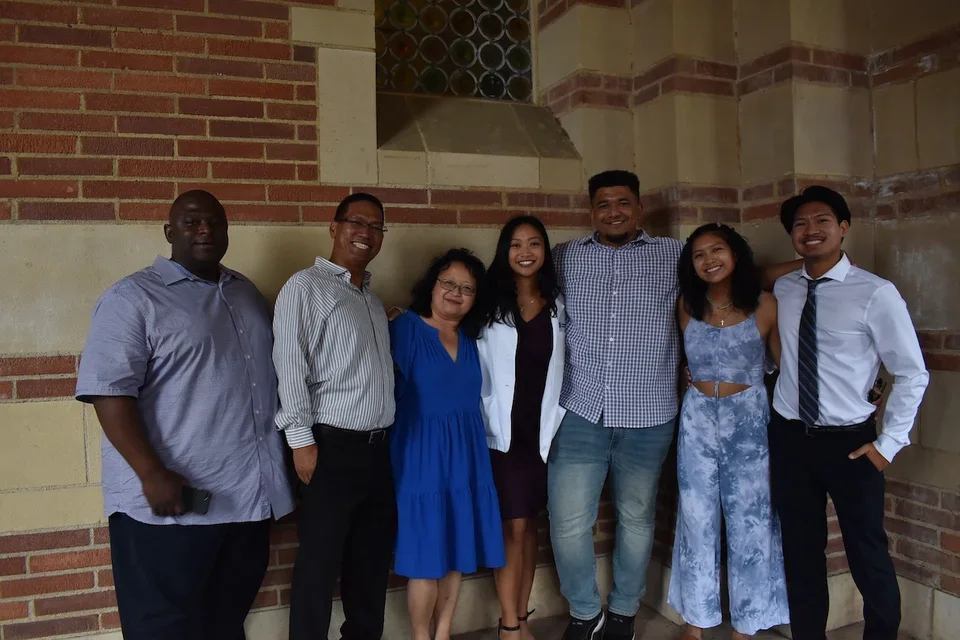
Before medical student Melanie Ramirez wanted to become a doctor, she wanted to do right by her tight-knit Filipino family.
"Being Filipino, there are such strong family values. That's why I think of health not just as an individual but as an entire family," says Melanie, who learned how to drive by taking her grandfather to dialysis appointments.
Familial experiences shaped Melanie's motivation to get into medicine.
"My mom has diabetes, and I saw how her being under-insured affected her interactions with the healthcare system."
Melanie watched her mother leave hospitals to avoid debilitating medical fees and skip taking medications that made her sleepy and created challenges for her work as a caregiver.
"Knowing how income, jobs, and life stressors can impact both access to healthcare services and how people take care of themselves outside the system is what made me passionate about addressing health disparities."
During high school, a STEM (science, technology, engineering, and mathematics) career program for first-generation students in the Bay Area inspired her to address health disparities through medicine.
She's wanted to be a doctor ever since.
"The perspectives and passions I have as someone coming from a low-income community of color are needed more in medicine."
Fun Fact: Melanie loves playing basketball and dancing, two hobbies she picked back up during her Discovery Year.
Turning Dreams into Reality at UCLA
In 2016, Melanie was accepted into a summer enrichment program at UCLA.
"It was at UCLA where I first put on a white coat and walked the halls of a med school and hospital," Melanie says. "I could actually envision myself as a future doctor."
Before then, becoming a doctor had been only an abstract idea.
"Being part of that program helped me see that it wasn't just an aspiration but that it could actually be a reality."
She urges aspiring physicians like her not to question their belonging in medicine.
"Your experience is exactly why you should pursue medicine."
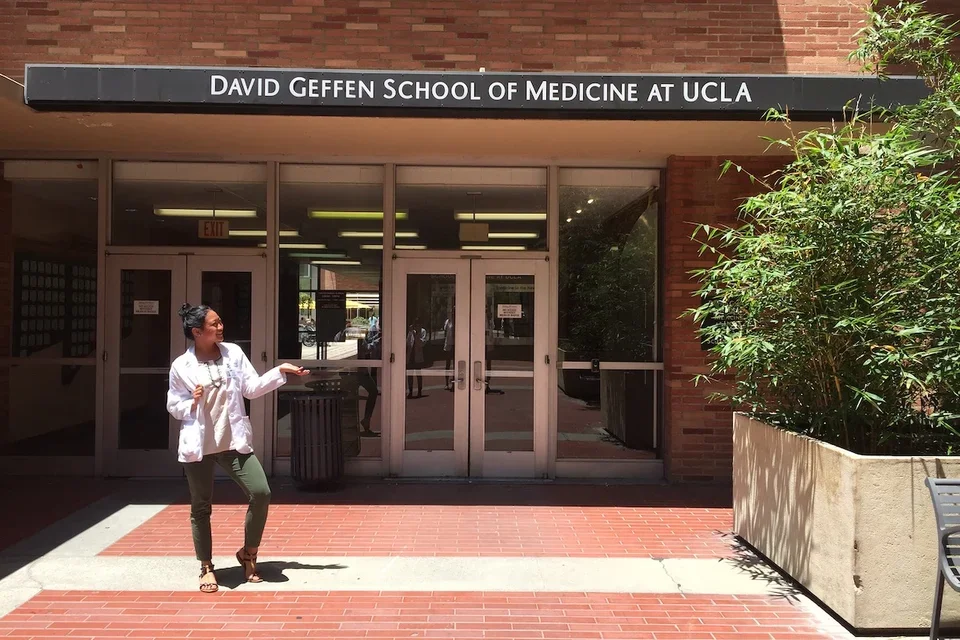
Unsurprisingly, when it came time to choose a medical school, Melanie chose the David Geffen School of Medicine at UCLA (DGSOM) and specifically the PRIME-LA program, a five-year concurrent-degree program.
"Being in PRIME, surrounded by peers thinking about how to address issues that affected the families and communities they come from is inspiring," Melanie says.
"It makes me want to create more opportunities for students like us to make our voices heard in the healthcare system and through advocacy."
Finding a Voice Through Advocacy
At DGSOM, Melanie has taken critical action to address health disparities. During the Discovery phase of the HEALS medical curriculum, she worked with an antipoverty program at Harbor UCLA where pediatricians and social workers address social needs and connect very low income pregnant individuals and those with new-born babies with social services.
"My research is analyzing how this impacts mental health outcomes, prenatal health outcomes, and help utilization, as well as connection to social services."
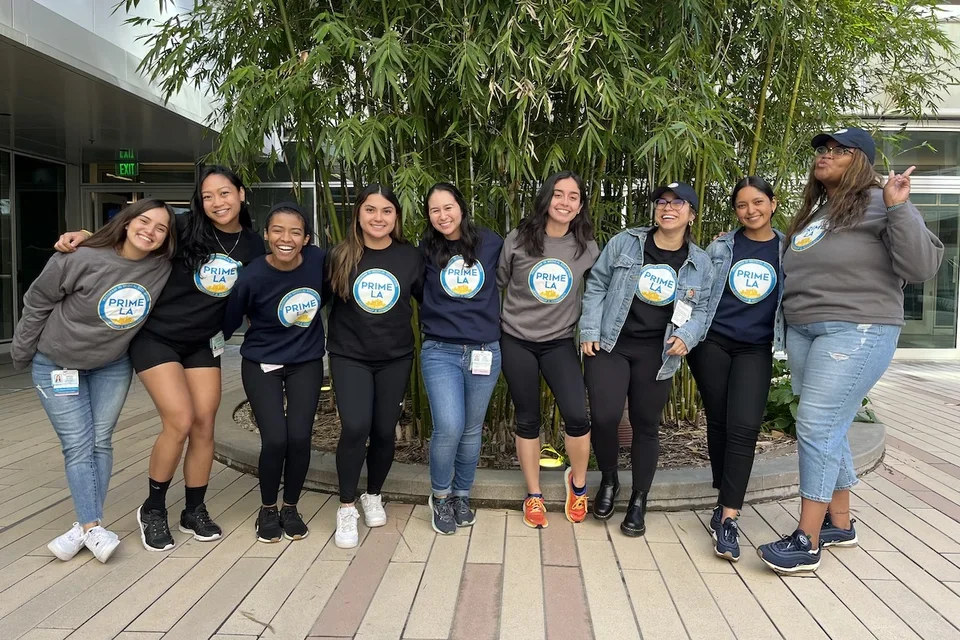
Melanie wants to create systems change and be an advocate as well as a physician. She organized a coalition of fellow PRIME students throughout California. In the spring of 2025, the coalition went to Sacramento to advocate for bills that support under-served communities of color.
"There are so many things medicine can't provide or do for patients," says Melanie, who has seen people end up in the emergency room due to a conglomeration of social factors outside their control.
"I want to pursue advocacy to help patients return to communities that will support rather than hinder their healing."
Melanie's Future as a Physician and Advocate
Inspired by her tight-knit family experiences, Melanie feels passionate about pursuing primary care as her specialty and practicing either family medicine or internal medicine.
She knows what's most important to her future as a physician: connecting with patients.
"Being able to connect with patients has been the most rewarding experience of my life," Melanie says. "The science is one thing, but the stories you get from patients who share their whole lives with you has been a privilege. I can't imagine doing anything else but medicine."
Related Articles