The cycle of mentorship: One physician-scientist’s journey from simulation technician to faculty mentor
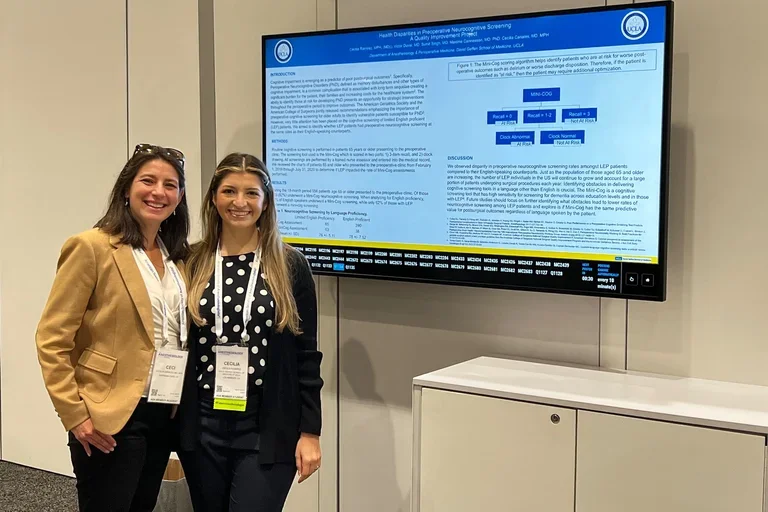
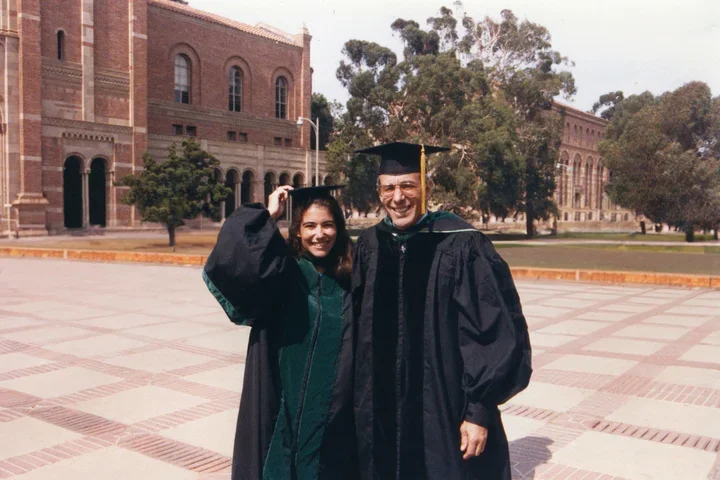
Cecilia Canales, MD first came to UCLA as a simulation technician in 2006 with a determination to learn but no direct experience, unsure of what the future would hold. Today, she is an assistant professor at the David Geffen School of Medicine at UCLA, a physician-scientist, and the medical director of the very center where leaders recognized her potential 20 years ago.
“They took a chance on me,” Dr. Canales shared. “When I was hired at UCLA all those years ago, the faculty didn’t tell me, ‘You don't have the right degree or the right training.’ They allowed me to develop and participate. I learned a tremendous amount from them, and some are still lifelong friends. Their mentorship is truly a key component of why I do what I do.”
Now, four years into her tenure as a faculty member, Dr. Canales remains inspired by those who opened doors for her. Alongside her ongoing research and clinical practice, she is passionate about empowering the next generation of medical and research leaders.
“Mentoring is also part of why I'm in academics and not in private practice,” she explained. “Working with residents and trainees is one of the things I love most. They ask questions. They want to know why we're doing things a certain way. Whether it's a research project or clinical work with residents, our students push us to stay current, follow new guidelines and protocols, and make sure we are providing the best possible care to our patients.”
Many of Dr. Canales’ students are interested in anesthesiology, but not always research. She isn’t surprised – anesthesiology physician-scientists are not common. Ultimately, it is of little importance whether they follow a familiar path.
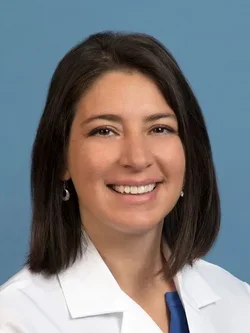
“I was around people who genuinely wanted me to succeed and were invested in me as a person. I aim to take the same approach with my students. I don't care whether they end up in anesthesiology. I care that they get to wherever they're supposed to go.”
She recalled how powerful that kind of unconditional support was during her early education and career exploration. It took Dr. Canales 12 years to begin medical school after graduating with her B.S. in cell and molecular biology – not because she wasn’t interested in pursuing science, but because she wasn’t sure where she wanted to land.
“I tried projects and paths that didn't work out. I found my way through a lot of detours and side roads to get where I needed to go. I knew I was smart enough to do the work. I just needed to find someone to give me an opportunity to show what I could do. In my role as an educator and mentor, it’s about giving my students a chance to get to their next step.”
Her nontraditional path is something she draws from often when she speaks with students who come to her for advice.
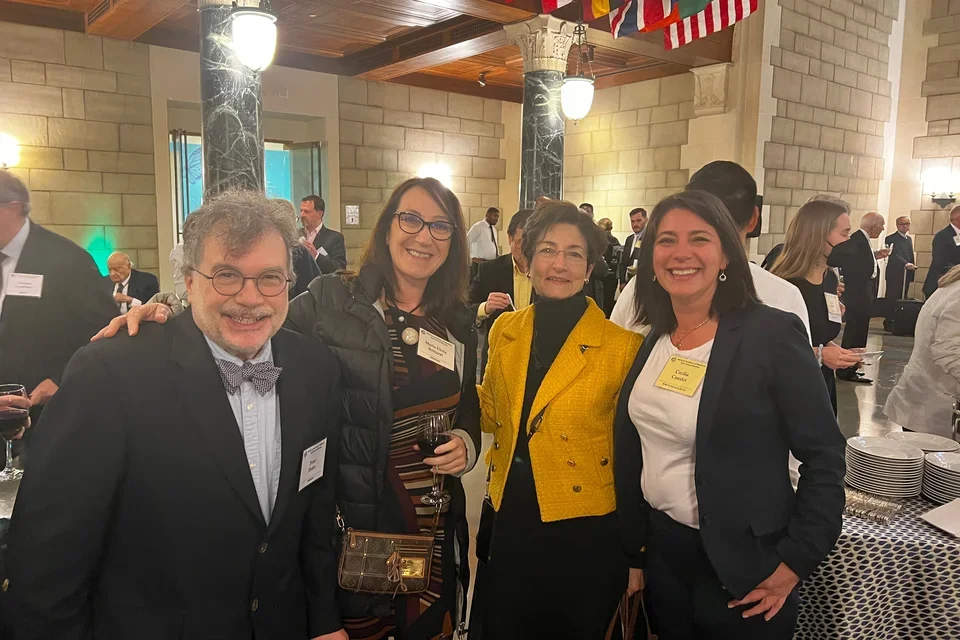
“I offer mentorship in different ways,” Dr. Canales explained. “I have anesthesiology residents who reach out because they need help processing a bad day, or a high-stakes situation in the operating room. I also have medical students who are interested in residency applications, who want to talk about projects, applications and what they should be doing at different stages of training. A lot of the time it's simply about helping students find ways to gain experience.”
One might assume that Dr. Canales has come full circle from student mentee to faculty mentor – an accomplishment that implies an endpoint. But achieving her self-described dream job has not made Dr. Canales’ own mentors obsolete.
In fact, she recently earned an Emerging Leader in Aging Research Award from the National Institute on Aging that will span five years and includes a full team of mentors and collaborators; they meet with her regularly to provide different perspectives.
“I am fortunate to have many different people helping in different ways. Sometimes what they tell me conflicts with what someone else advises, but that's part of the process. I take bits and pieces from all of them.”
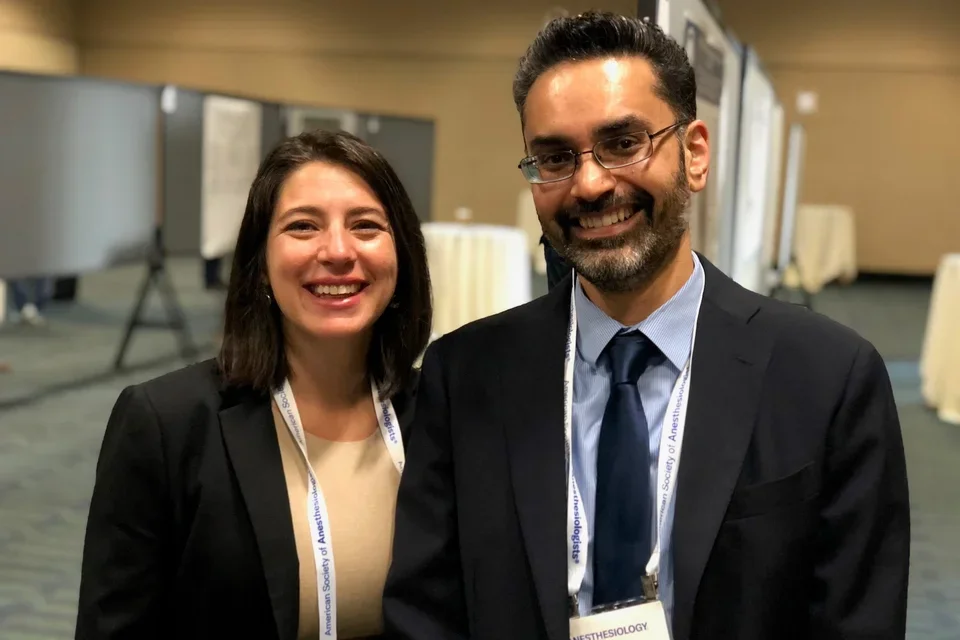
To students who are seeking mentorship, Dr. Canales encourages them to put themselves out there – and don’t be afraid to fail.
“I fail often!” she shared with a smile. “People see the awards that I get, but they don't see all the awards that I didn't get. The constructive feedback I’ve received from my mentors—whether it's a manuscript review, a grant review or something else—will make the next one better.”
In the years to come, Dr. Canales looks forward to continuing the cycle of mentorship, especially at the university that gave her some of her earliest chances to succeed.
“UCLA is an institution that gives people opportunities. The people you meet here and the chances you take may be more meaningful than you ever expected.”
Related Articles