
Brain Functioning
Research on how the brain works
How Does The Brain Work?
Understanding Comes Before Treatment
Extraordinary technical advances have provided neuroscientists with an expanded tool kit that allows researchers to uncover key information about genes, neurons and neural circuits, the building blocks of the working brain. The pace of research is staggering and UCLA is at the forefront of uncovering how the brain works and the underlying causes of brain dysfunction.
Give to the Neuroscience Research Theme
Support for neuroscience research today carries a unique potential: to catalyze breakthroughs that were once unimaginable, and to fundamentally reshape our understanding of neurological and psychiatric disorders.
Important Contributions
Breathing and the Brain
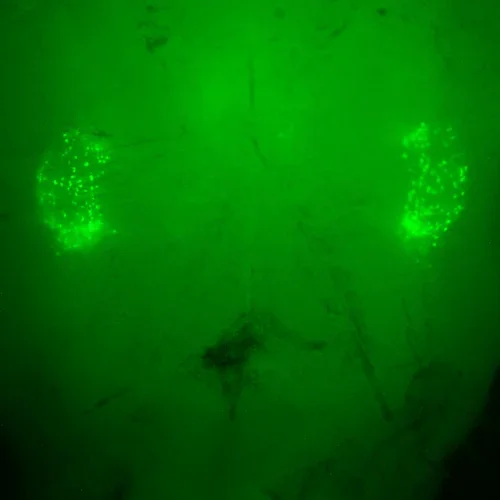
The preBötzinger Complex is essential for generating breathing rhythm in fetal, neonatal, and adult mammals. Studies using molecular approaches led to insights into how activity in the preBötzinger Complex modulates breathing behavior.
Depression Grand Challenge

Depression strikes one in four women and one in six men. Many people with the disorder are never treated. Among those who do receive treatment, 50 percent remain depressed.
Learning and Memory
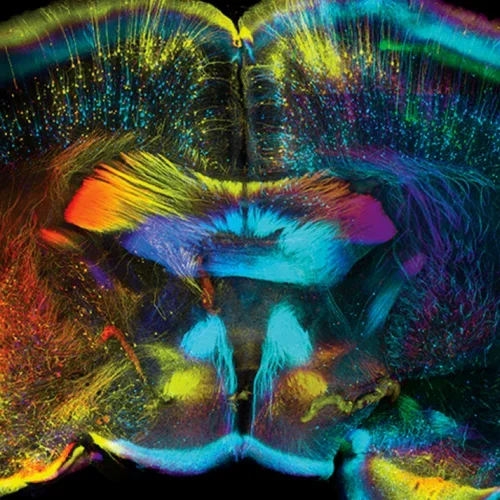
The processes that allocate memories in the brain affect how we remember events, and memory deficits in a number of neurological and psychiatric conditions may be caused by deficits in these processes.
Optogenetics
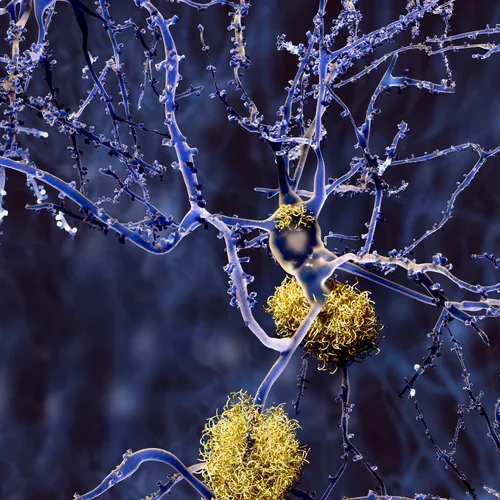
A technique called optogenetics allows brain researchers to use light to directly control the activity of different neurons in the brains of freely behaving animals. By turning on or off the activity of each cell type, researchers can determine what role each cell type plays in different behaviors.
Sensory Cues and Behavior

Next time you’re drawn to the kitchen after smelling something delicious in the air, you can thank olfaction: your sense of smell. Olfaction is one type of sensory input that we rely on to survive and thrive in our environment. Just like we’re drawn to the smell of particular foods, parasites also use olfaction to sense and guide them to hosts from which they can feed.
Glial Cells
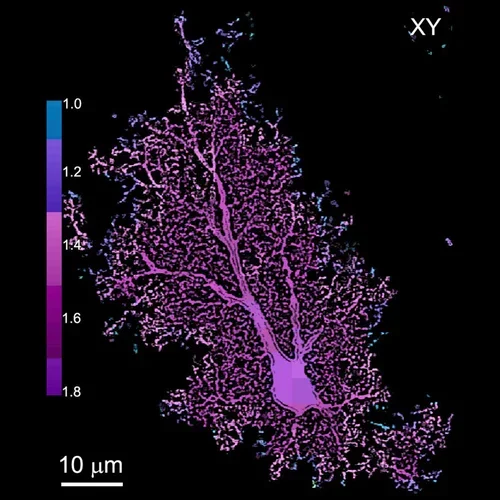
Around 40% of all cells in the brain are a type of star-shaped glial cell called astrocytes. Astrocytes were first documented by neuroanatomists around 140 years ago, and for a long time these glial cells were considered the “glue” that held the brain together.
What is Memory?

They are intrinsically linked to our identity and their loss through disease is among the most devastating brain disorders. UCLA neuroscientists are exploring how memories are made, where they are stored in the brain and how they are retrieved.