
Brain Disorders and Degeneration
The Aging Brain
Neurodegenerative Disease
The Make-Up Of Neurodegenerative Diseases
UCLA neuroscientists are studying neurodegenerative diseases from many different perspectives, from understanding the atomic structure of abnormal toxic proteins that accumulate in the brains of patients with a spectrum of neurodegenerative diseases to determining how the loss of function of some genes in other patients leads to disease.
Fund the cures of the future.
Important Contributions
A Startling Discovery for Parkinson's Disease
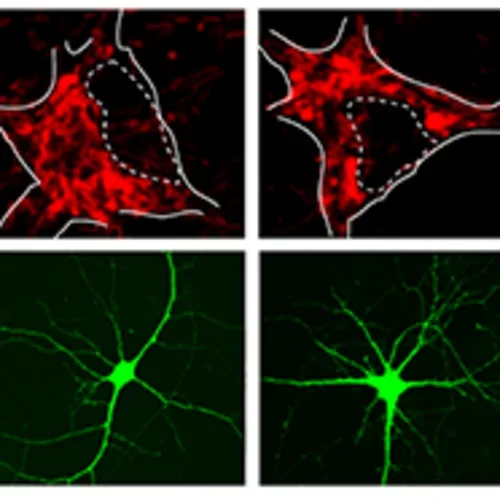
Neurodegenerative diseases like Parkinson’s disease disrupt normal brain function and ultimately destroy neurons. As we live longer, more of us will suffer from neurodegenerative diseases. This has enormous consequences for individuals, families and our society.
Brain Repair and Stroke
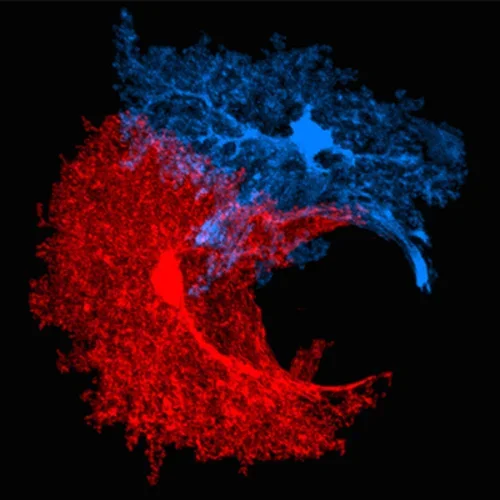
“Brain repair” is a fanciful condition of science fiction novels, B movies and funny Youtube videos. Yet, the limited ability of the brain to recover from injuries or diseases means that people with these conditions face a lifetime of physical disability and social isolation.
Deconstructing the Amyloid Fiber
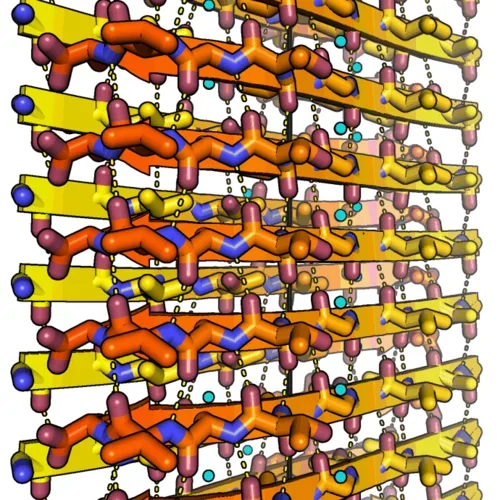
A hallmark of many neurodegenerative diseases, including Parkinson’s and Alzheimer’s, is the abnormal aggregation of proteins into fibrils called amyloids. One possible therapeutic approach would be to reverse this aggregation.
Neuroimaging
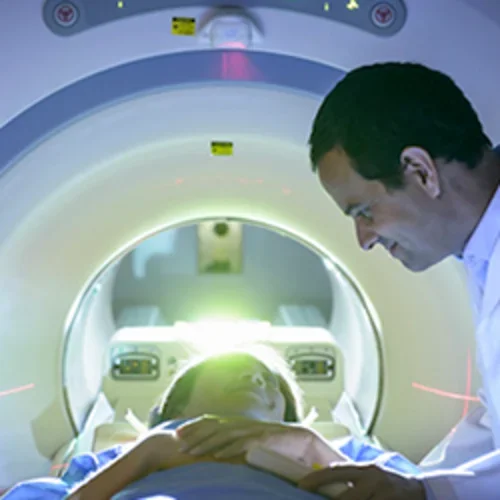
Neuroimaging also continues to evolve in translational research settings across UCLA. Unlike optogenics, which is used in animals to understand brain function, neuroimaging is a noninvasive to assess the structure and function of the human brain.
Biology of Autism
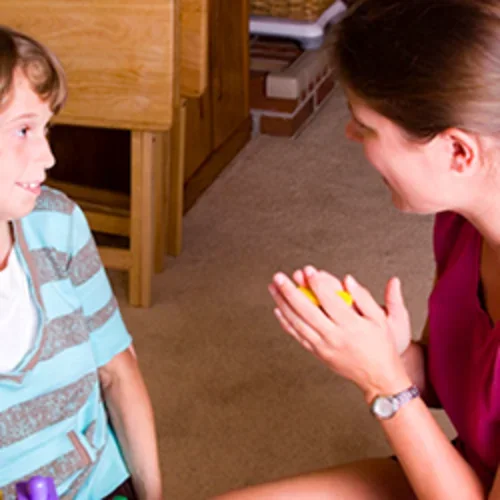
Today, ASD is thought to have many different causes, including substantial genetic factors, and in some cases, perinatal factors, both of which are thought to act during the development of the fetus during pregnancy.
Virtual Reality and Neurophysics
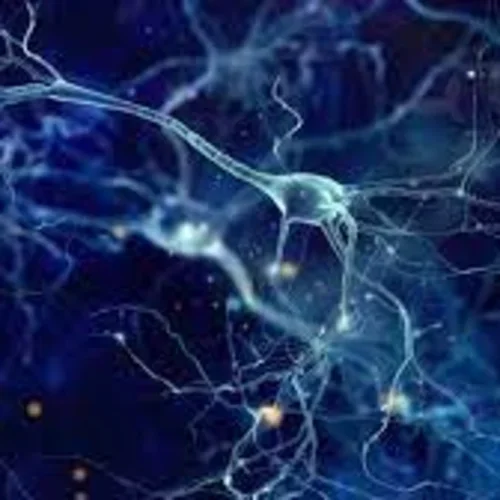
Understanding neural ensemble dynamics could point to novel ways of treating learning and memory disorders and other brain-based diseases. Recent technological advances make neurophysics attainable, but even better techniques are needed.
Underlying Causes of Brain Disorders
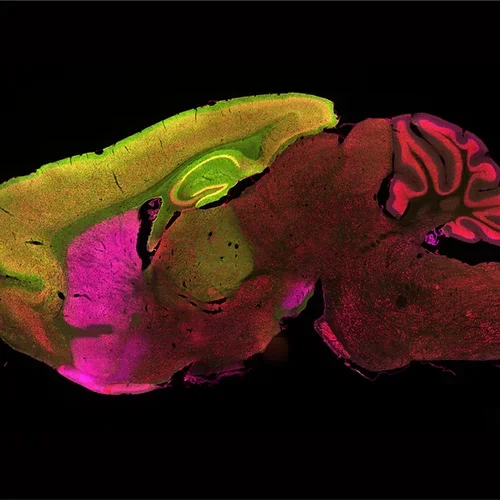
Millions of people are affected by brain disorders ranging from age-dependent neurodegenerative disorders such as Alzheimer’s, Parkinson’s and Huntington’s disease to psychiatric disorders such as Schizophrenia, depression, and autism spectrum disorders.